
Accelerating climate change exerts strong pressure on Europe's mountain flora
20. April 2012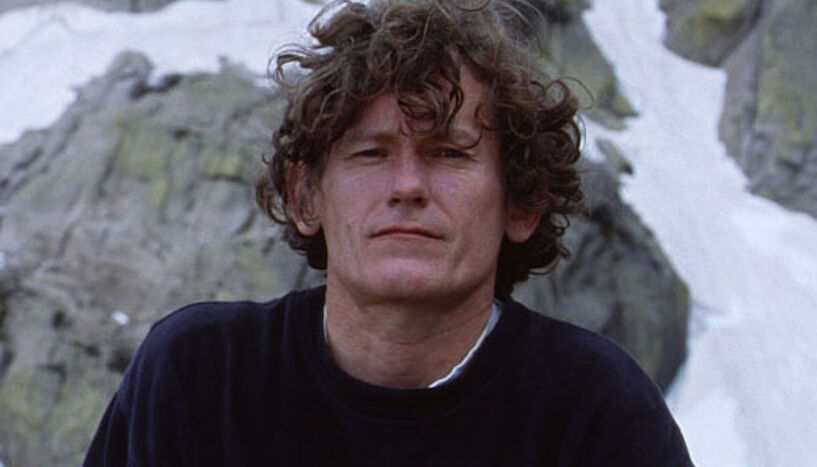
"Cold habitat of alpine flowers may shrink faster than expected – we observed declines in species numbers in southern Europe within less than a decade", said Harald Pauli, first author of the study. (Copyright for all pictures: Harald Pauli, GLORIA)
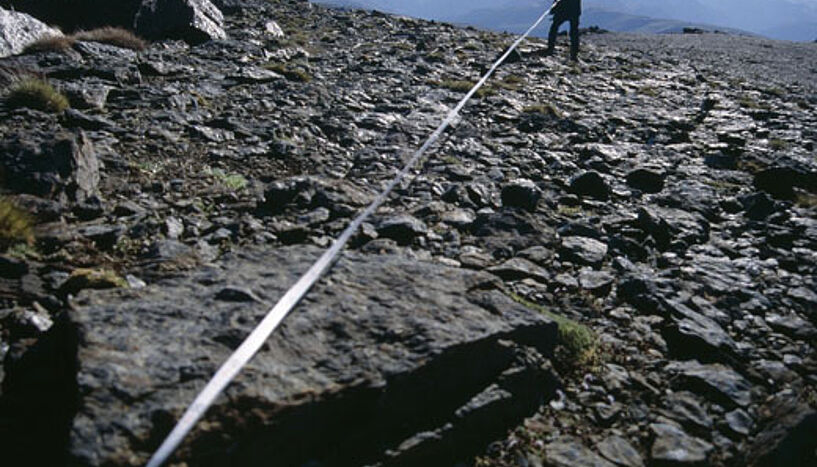
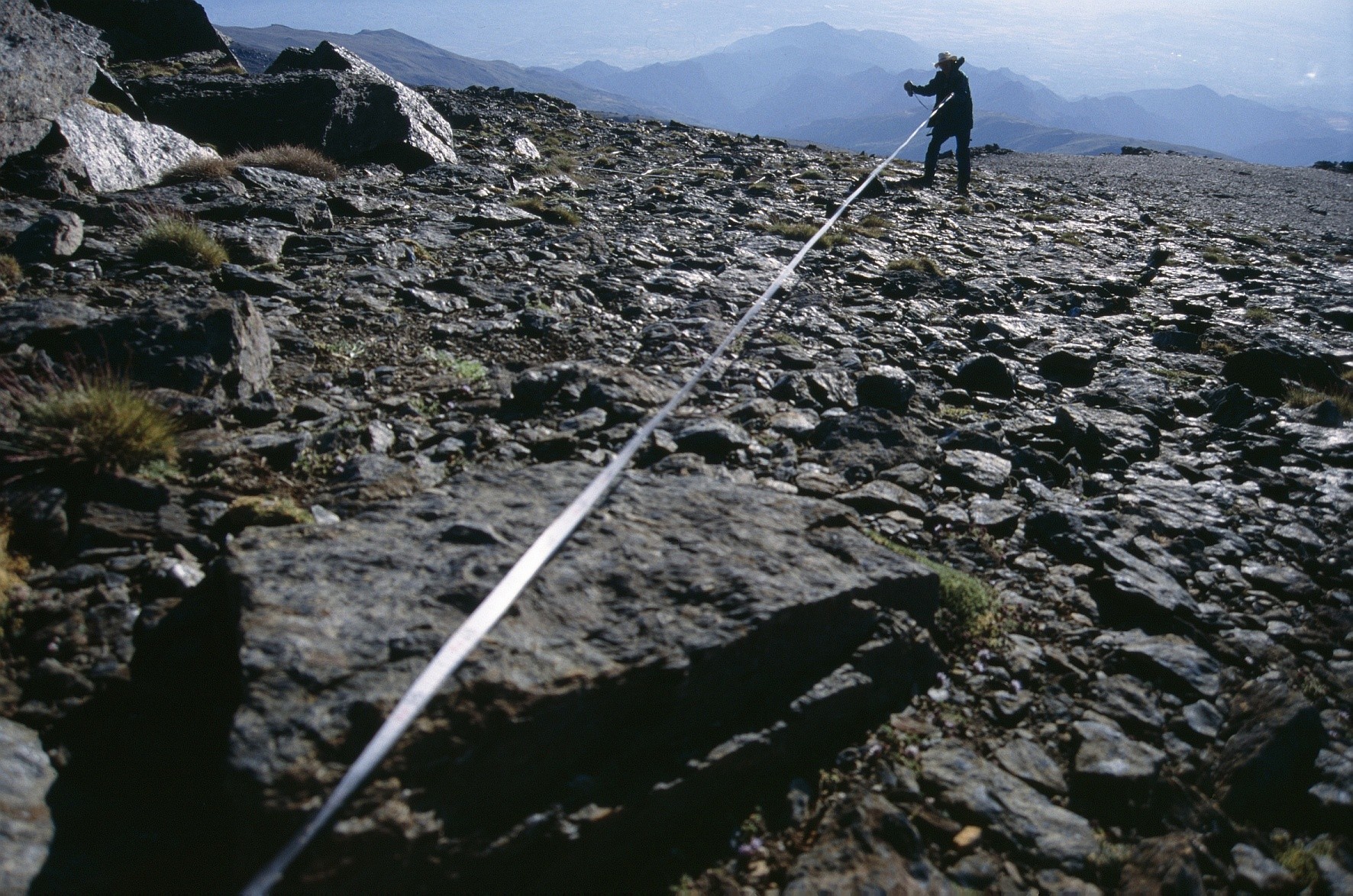
Seventeen teams were using the same standardised method of species recording on 66 mountain summits across Europe – here the setup of plot boundaries in Sierra Nevada.
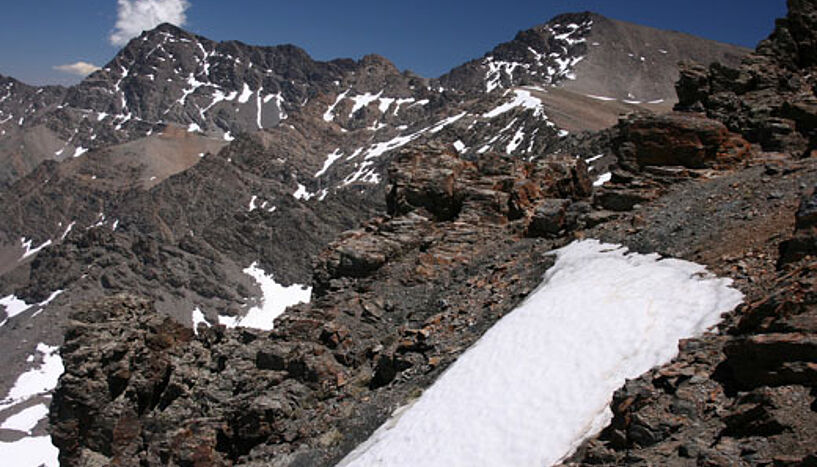
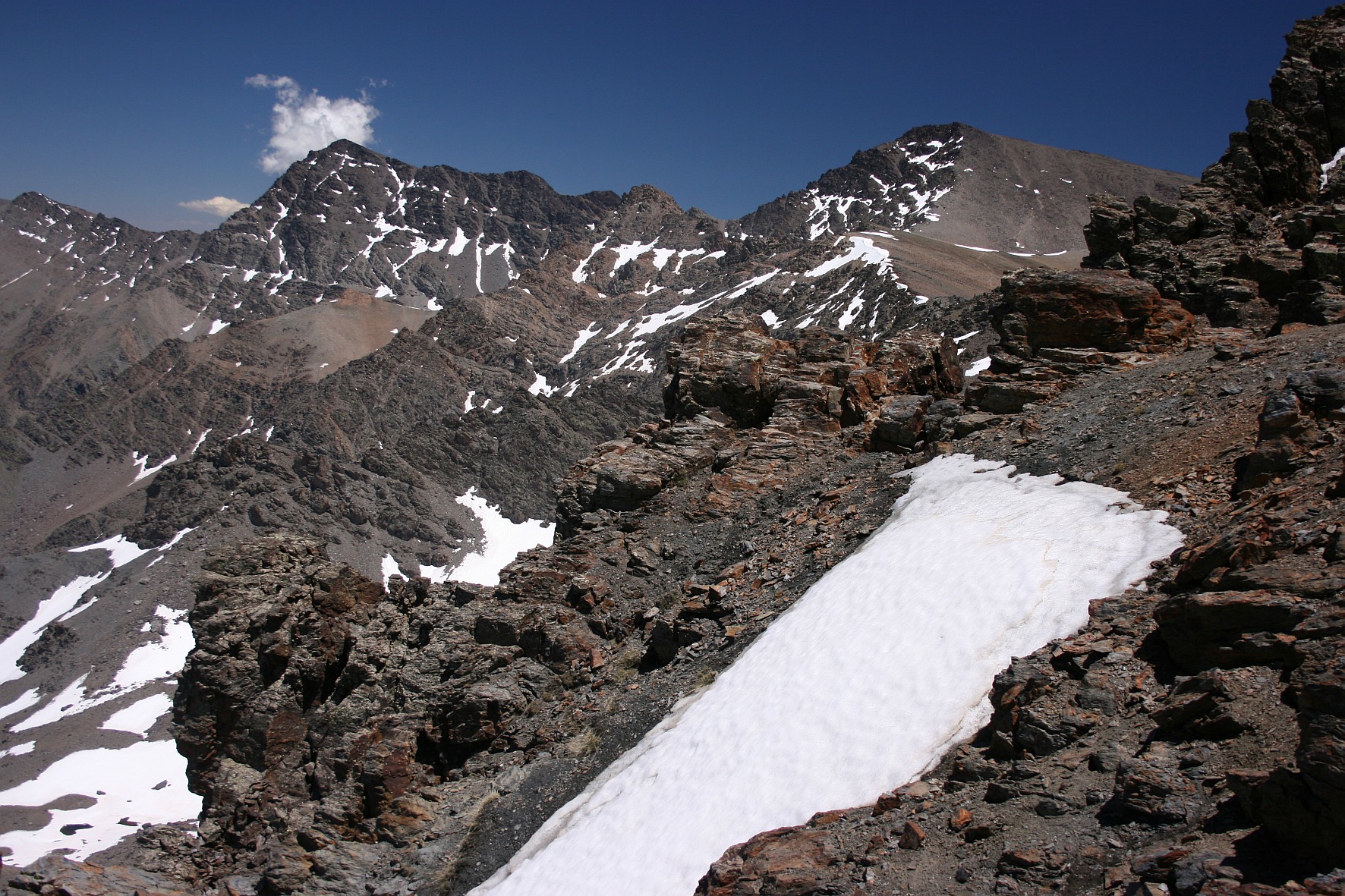
Mediterranean mountains, barren and beautiful cold spots within the summer-heated south of Europe, host many very special alpine plants that are threatened by climate warming: Sierra Nevada in southern Spain.
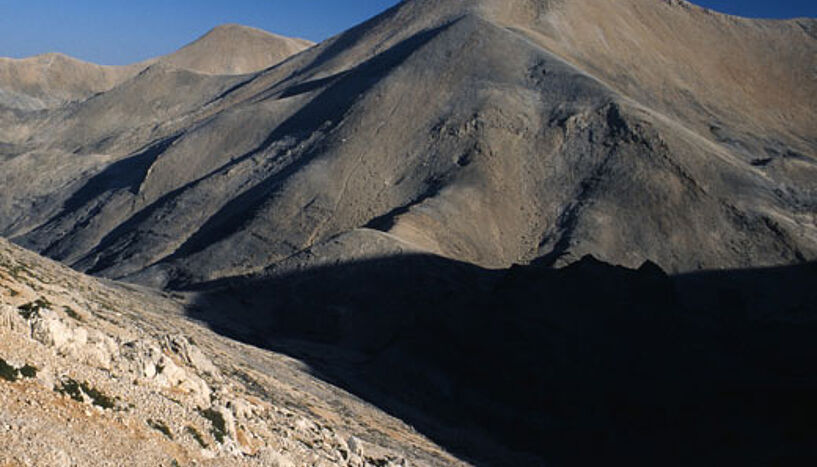
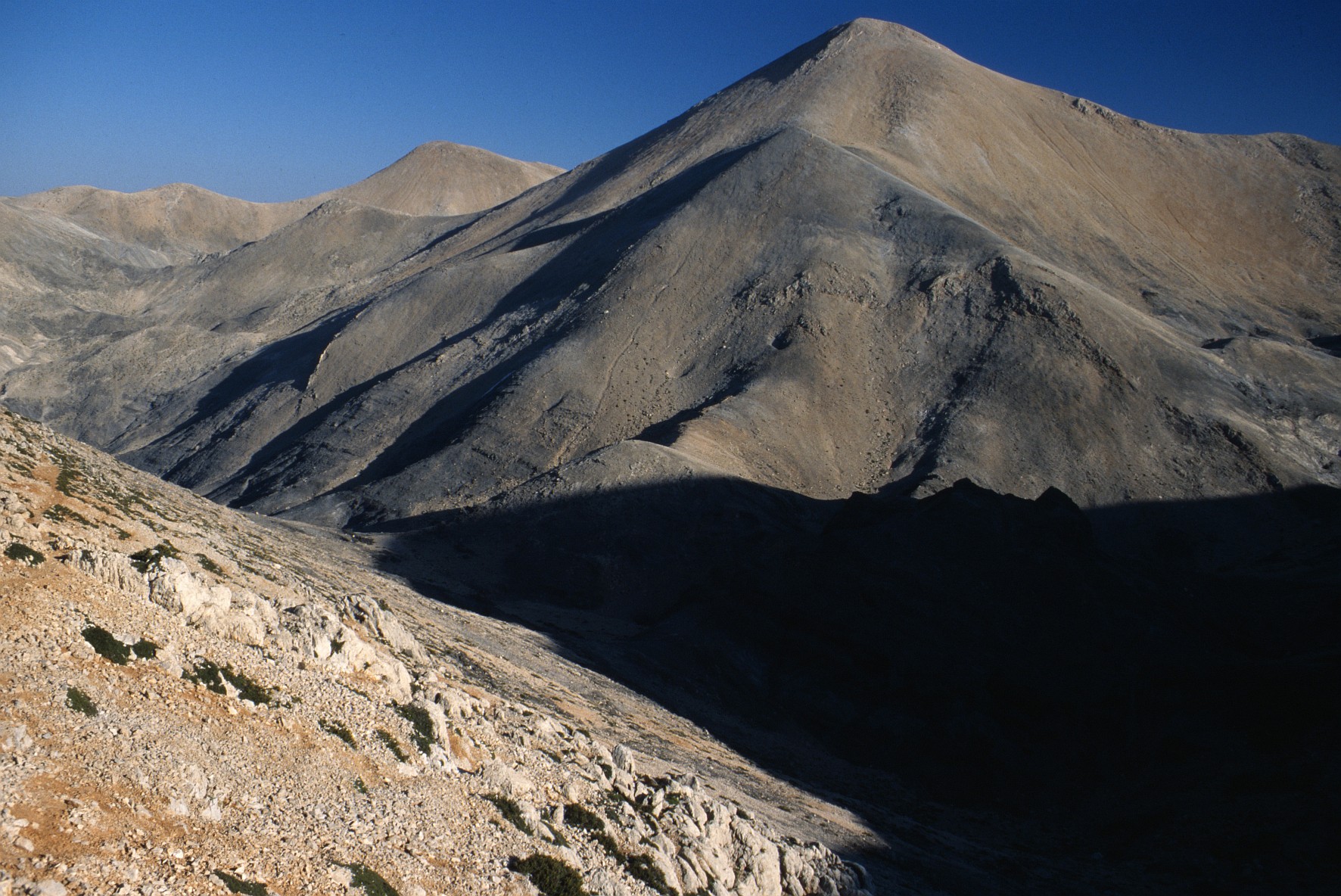
The Lefka Ori on the island of Crete.
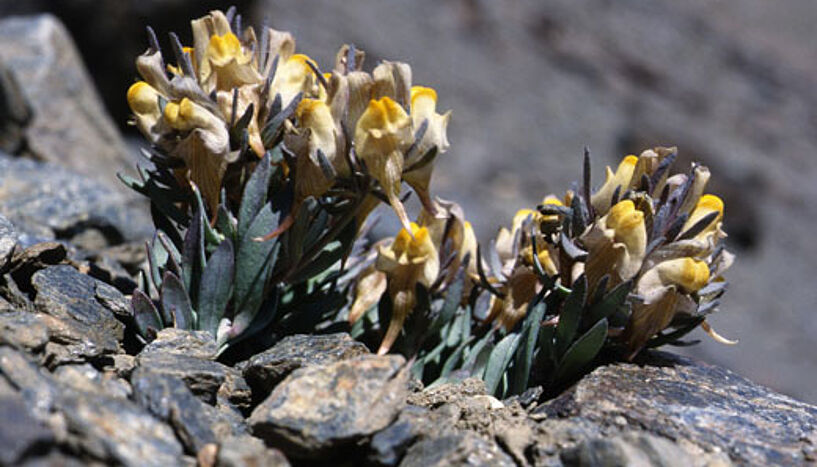
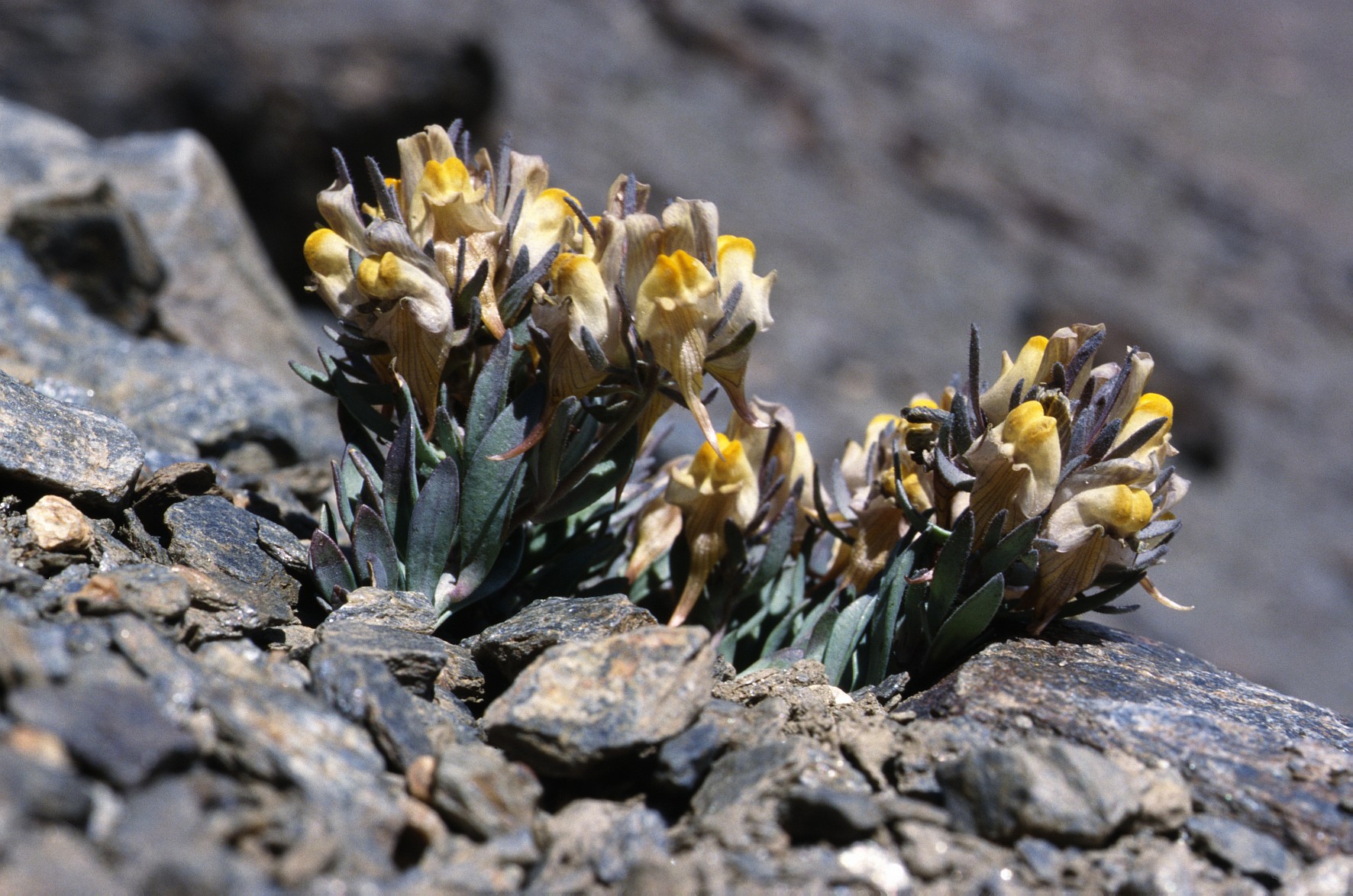
Alpine flowers which only grow on a few mountain peaks are highly endangered through climate warming and increasing summer drought. For example, plants restricted to the high zone of Sierra Nevada, such as Linaria glacialis...
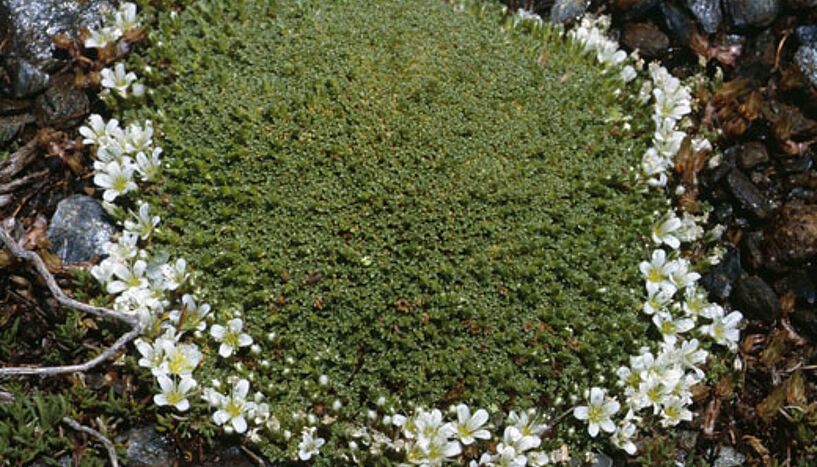
and Arenaria tetraquetra ssp. amabilis.
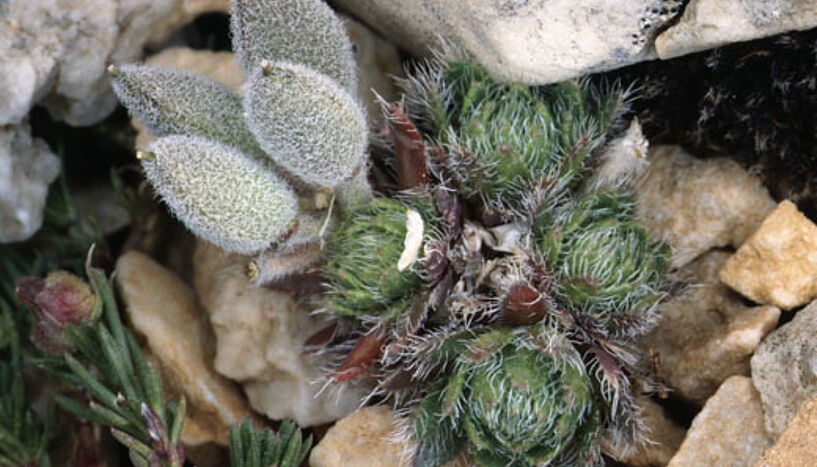
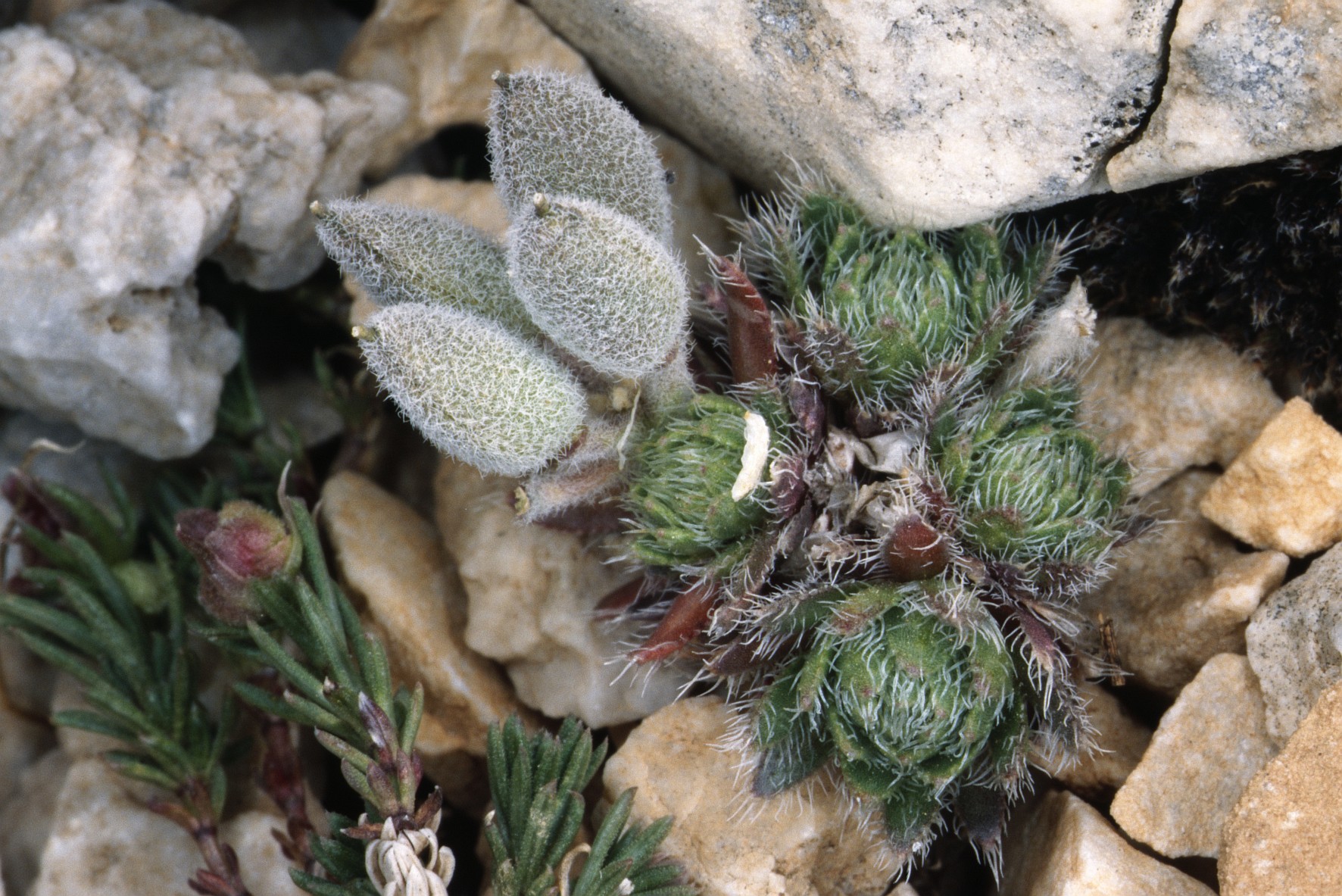
Or of Crete, such as Draba cretica, ...
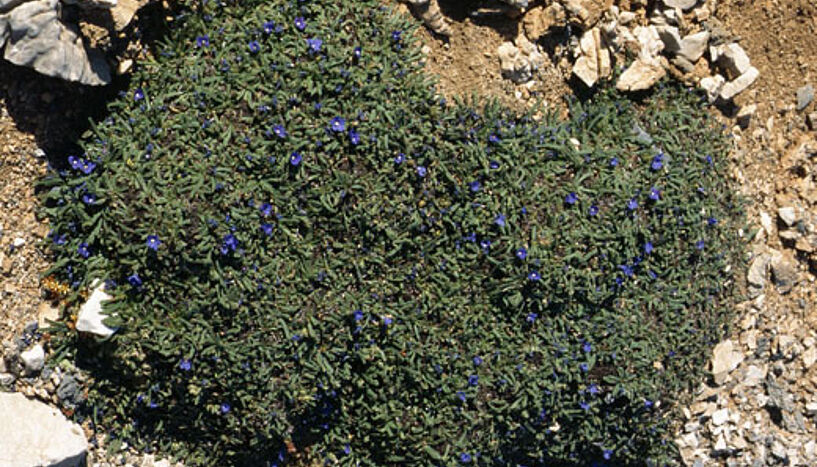
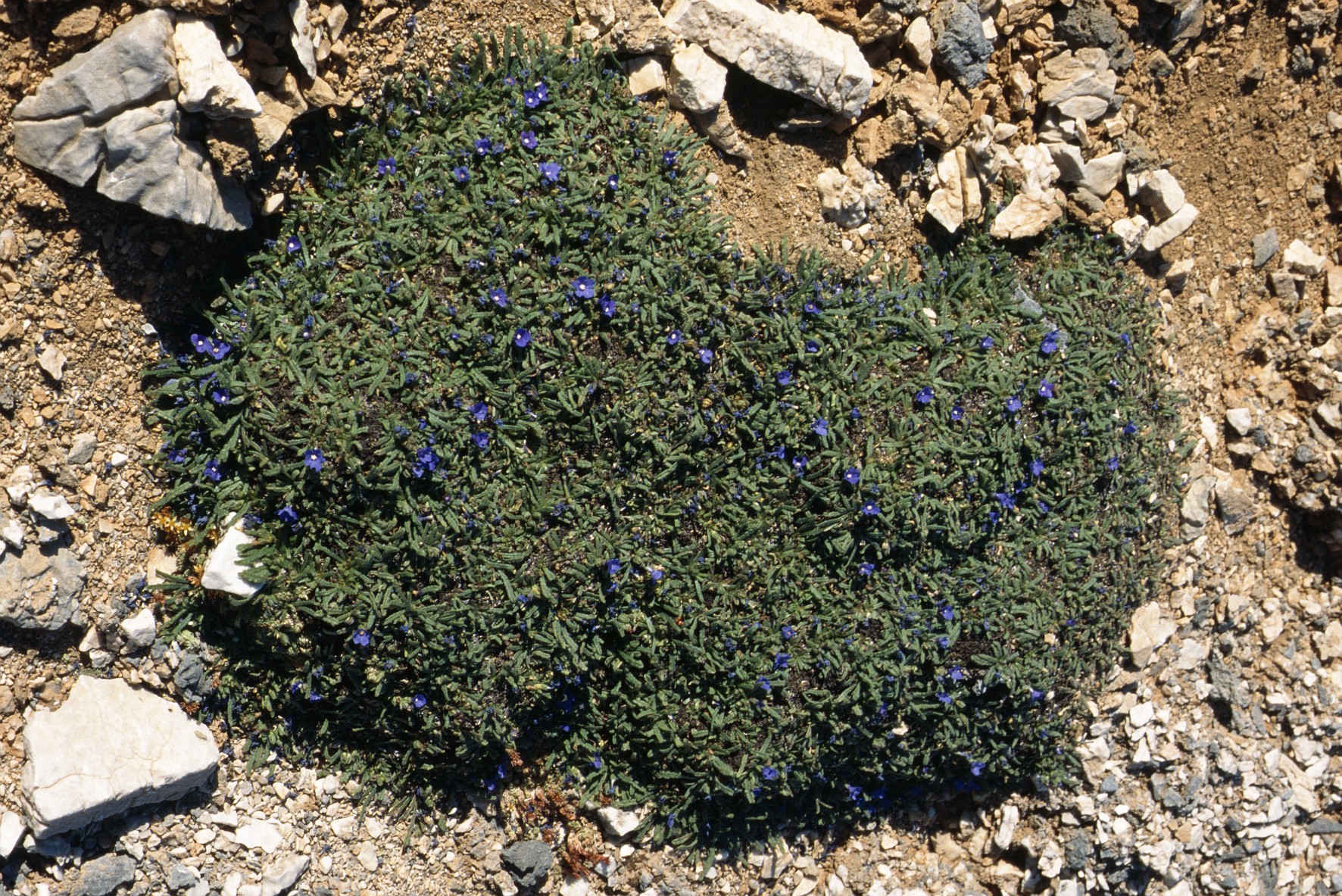
and Anchusa caespitosa are expected to loose their habitats through accelerating climate change.
A pan-European study published in Science shows that mountain plants across the continent are moving to higher altitudes. This often results in raised species numbers on mountain tops, when colonizers from lower down start to dwell on the summits. This study, however, also shows that upward shifts can lead to a reduction in species richness. The paper is based on detailed surveys of 66 mountain summits distributed between the north of Europe and the southern Mediterranean Sea. An international research group, led by the Austrian Academy of Sciences and the University of Vienna, mapped all plant species at each site in 2001 and 2008 using the same standardized procedures. The study was coordinated by Harald Pauli, Michael Gottfried, Stefan Dullinger and Georg Grabherr.
Increasing species numbers were only found on summits of northern and central Europe. By contrast, species numbers were stagnating or declining at nearly all sites in the Mediterranean region.
Harald Pauli from the Global Observation Research Initiative in Alpine Environments (GLORIA) programme, which coordinated the study, said, "Our results showing a decline at the Mediterranean sites is worrying because these are the mountains with a very unique flora and a large proportion of their species occur only there and nowhere else on Earth".
On summits further north in Europe, more plant species are prospering. This could be taken to indicate that these are much safer sites for alpine flowers. Michael Gottfried from GLORIA's coordination team said, "I'm afraid that this is not necessarily the case because the newly appearing plants are predominantly more widespread species from lower elevations and will pose increasing competition pressure on the rarer cold-loving alpine flowers".
The uppermost tips of Mediterranean mountains are rather small patches of cold habitats, spread like islands over a sea of much warmer lowlands. Lowland areas and the mountains are exposed to a characteristic dry season in summer. In the higher altitudes, precipitation mainly falls as snow during winter and spring and snowmelt is crucial for water supply of mountain plants during the arid growing season.
Harald Pauli added, "The observed species losses were most pronounced on the lower summits, where plants are expected to suffer earlier from water deficiency than on the snowier high peaks. Climate warming and decreasing precipitation in the Mediterranean during the past decades fit well to the pattern of shrinking species occurrences. Additionally, much of the Mediterranean region is projected to become even dryer during the upcoming decades".
Georg Grabherr, chair of GLORIA, said, "Impacts of climate change, either through warming or combined with increased drought stress, are likely to threaten alpine plants not only on the continent, but even on the world-wide level. A number of mountain plants may resist or find colder substitute habitats somewhere in a rugged mountain terrain. Continued species monitoring will be vital for tracing ongoing ecological impacts on the diversity of alpine plant life".
The GLORIA network
GLORIA (Global Observation Research Initiative in Alpine Environments) aims to establish and maintain a site-based monitoring network for the long-term observation of high mountain plants. It was commencing in Europe about a decade ago, when the sites used in this study were established. By now, the GLORIA monitoring programme was applied by more than 100 research teams and in over 100 mountain regions on six continents. Researchers will return to their sites every five to ten years.
Further details: http://www.gloria.ac.at/
Publication in "Science":
Recent plant diversity changes on Europe’s mountain summits: Harald Pauli, Michael Gottfried, Stefan Dullinger, Otari Abdaladze, Maia Akhalkatsi, José Luis Benito Alonso, Gheorghe Coldea, Jan Dick, Brigitta Erschbamer, Rosa Fernández Calzado, Dany Ghosn, Jarle I. Holten, Robert Kanka, George Kazakis, Jozef Kollár, Per Larsson, Pavel Moiseev, Dmitry Moiseev, Ulf Molau, Joaquín Molero Mesa, Laszlo Nagy, Giovanni Pelino, Mihai Puşcaş, Graziano Rossi, Angela Stanisci, Anne O. Syverhuset, Jean-Paul Theurillat, Marcello Tomaselli, Peter Unterluggauer, Luis Villar, Pascal Vittoz, Georg Grabherr
Science, April 20, 2012. DOI: doi/10.1126/science.1219033.
Scientific contact
Dr. Harald Pauli
Institute of Mountain Research: Man and Environment
Austrian Academy of Sciences
c/o University of Vienna
1030 Vienna, Rennweg 14
T +43-1-4277-543 83
M +43-699-108 744 92
harald.pauli(at)univie.ac.at
PD. Dr. Michael Gottfried
Department of Conservation Biology,
Vegetation and Landscape Ecology
University of Vienna
1030 Vienna, Rennweg 14
T +43-1-4277-543 72
M +43-676-307 76 69
michael.gottfried(at)univie.ac.at
Wissenschaftlicher Kontakt
Dr. Harald Pauli
Institut für Gebirgsforschung (ÖAW) Fakultätszentrum für BiodiversitätUniversität Wien
1030 - Wien, Rennweg 14
+43-1-4277-543 83
+43-699-108 744 92
harald.pauli@univie.ac.at
Rückfragehinweis
Mag. Veronika Schallhart
DLE ÖffentlichkeitsarbeitUniversität Wien
1010 - Wien, Universitätsring 1
+43-1-4277-17530
+43-664-8176793
veronika.schallhart@univie.ac.at
Downloads:
Harald_Pauli_02.jpg

Dateigröße: 173,41 KB
Forschung_SierraNevada_02.jpg
Dateigröße: 701,86 KB
Schnee_SierraNevada_02.jpg
Dateigröße: 745,74 KB
LefkaOri_Kreta_02.jpg
Dateigröße: 570,02 KB
Linaria_glacialis_SierraNevada_02.jpg
Dateigröße: 482,01 KB
Arenaria_tetraquetra_ssp._amabilis_SierraNevada_02.jpg

Dateigröße: 752,17 KB
Draba_cretica_Kreta_01.jpg
Dateigröße: 548,96 KB
Anchusa_caespitosa_Kreta_02.jpg
Dateigröße: 900,53 KB